
German Shepherds                                                                                                German Shepherd Puppies


Germany’s Finest in America
We are located North of Dallas, Texas
214-287-8080
HausMerkel@Yahoo.com


Home
About
Our Males •
Our Females •

German Shepherd Rescues •
Memorials
Articles
OFA  •
Classifieds
 
More Links:
 
 
Other Links
Links
Contact
Add your Link
 
Members of           
GSDCA

WDA

Schutzhund USA

SV-Germany

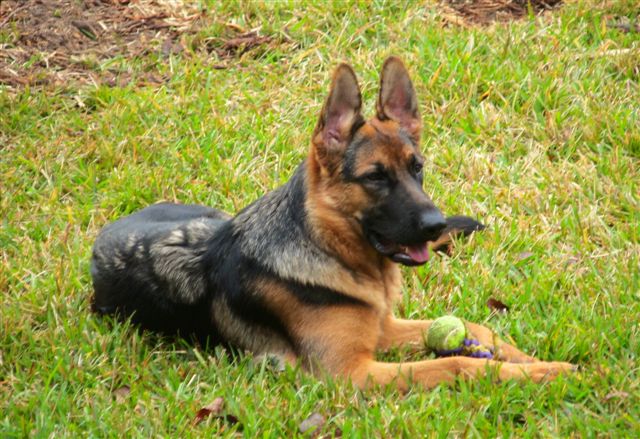
The Importance of Puppy Socialization
From the very start, a puppy learns important lessons through his experience of the world around him. Even in the first few weeks as he snuggles with his dam, wrestles with his littermates, and is handled by his breeder each day, the personality traits and social skills that he will have all his life are beginning to form.

As the weeks go by, exposure to a variety of experiences is crucial to his becoming a well-rounded adult. Studies have shown that a puppy's experiences in the first three months of life strongly influence what kind of companion he will grow to be and how he will react to the world. Will he shy away from children? Will he be afraid of people in hats? Will he be aggressive toward other dogs? Or will he be easygoing and adaptable in a variety of situations?
READ MORE...

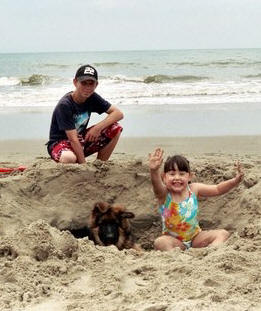
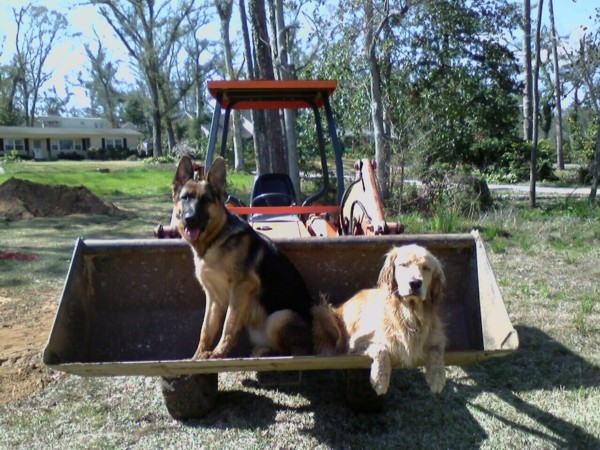
"Fun at the Beach"

"Fun at Work"

"Fun just hanging out"


How to Protect your Pet from Heat Stroke


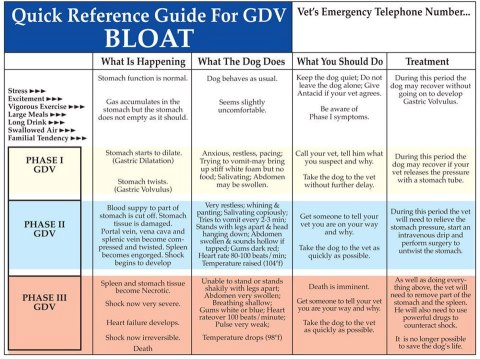
BLOAT


This is a real combination of symptoms that spells out EMERGENCY. These are the classic symptoms of a condition referred to as "bloat" - a dog that is pacing, restless and has unproductive attempts to vomit.

This is a common problem in large breed deep-chested dogs but can also occur in smaller dogs.

Basically what happens is this - the stomach twists causing the blood supply to the stomach to be compromised then leads to tissue death. As tissues are damaged, toxins are released and a sequence of events occurs that if left untreated, leads to death.

If you ever notice these symptoms in your dog, call your local veterinarian or emergency clinic as soon as possible.

This is a condition that is fairly common and often occurs in the evening or nighttime hours. It is also a very expensive condition to treat.  READ MORE...

 
            GOT FLEAS?
Place a white baking dish half full of water with a couple drops of Lemon Joy dishwashing liquid in the center of the room with a small lamp next to it.  Turn off all other lights and go to bed.  When you wake up in the morning all the fleas will be in the baking dish! For a bad infestation treat each room twice.
 

Dealing with Excessive Barking

The first step to stopping barking is to understand why it is happening. Dogs bark for all kinds of reasons, including anxiety, boredom and/or loneliness. Sometimes they bark just because it feels good.  Luckily, most dogs will respond to one or other intervention to curtail their barking. Whether you simply bring an outdoor dog inside or take the time to apply behavior-modification techniques, you can cause a dog to be less of a nuisance and to be more socially acceptable.


Removing Skunk Odor

No need for the tomato juice. Use a mixture of 10 parts hydrogen peroxide to 1 part baking soda. Add a dash of degreasing dishwashing soap and pour into a spray bottle. Spray liberally over dry coat and allow to air dry. Avoid eyes. Works on other objects, too!


Site designed and maintained by
Dlm Design Studio

Copyright © 2001 [Haus Merkel]. All rights reserved.
Revised: 07/02/09.

Add Me! - Search Engine Optimization


CARE OF YOUR OLDER GERMAN SHEPHERD

by Drs. Foster & Smith Educational Staff

After so many years of loyalty and support, don't they deserve the best care we can give them? For many pet lovers, watching our companions grow older is a comforting, rewarding experience. Hard to believe the same bundle of energy tearing around the yard so many years ago is now the calm and kind old friend curled at our feet.

As your pet ages, you may notice the outward signs: white around the muzzle, less exuberance, hesitation trying to stand up after a nap or difficulty climbing into your vehicle. Then there are the internal signs we can't see, like a slowing metabolism, and changing nutritional requirements.

Just as we give special attention to the needs of puppies, dogs heading into their later years require unique attention to help comfort them and extend their precious time with us. After so many years of loyalty and support, don't they deserve the best care we can give them?

If you're lucky enough to share your home with an older pet, here are some tips we recommend for the care of your mature friends:

Exercise & Attention are important at every stage in your pet's life. However, with senior pets you may need to adjust the frequency and intensity of the exercise. If your pet doesn't use his muscles, he will lose mass, tone, and it will become even harder to move about. Shorter, more frequent walks or swims can help keep your dog in shape and his weight under control.
If your pet has arthritis or is stiff and sore, giving him access to a ramp to get up and down from higher areas - vehicles or furniture - will make it much easier on his joints, and allow him to maintain some of the adventure he enjoyed as a youngster.


Comfort for Old Joints - To protect older elbows and haunches, provide your mature dog with a firm, orthopedic foam bed. Our veterinarians have specifically designed several beds with "medical-grade" orthopedic foam or box spring construction to distribute weight evenly and reduce pressure on joints. They are also much easier to get out of in the morning!

Another good idea is to elevate your dog's food and water bowls. Elevated feeders make eating and drinking more comfortable for arthritic pets, particularly if there is stiffness in the neck or back.


Nutrition & Supplements - With dogs that have arthritis, we recommend drug-free nutritional supplements like Joint Care Plus MSM which contain ingredients such as Glucosamine HCl, Chondroitin Sulfate, and Vitamin C. There are many excellent supplements available today.

As your pet ages, keep a closer eye on his movements, behavior, and habits. Look for the signs of aging, such as loss of appetite, excessive sleeping, irritability, changes in his gait, weakness, and incontinence, and be prepared to treat him with a little more love and care than ever before.

The care you give to your pet throughout his life is a large determining factor in how he ages. Feed him a nutritious diet, offer proper vitamin, mineral and other nutritional supplementation, and help him maintain the right weight throughout his life and your pet is more likely to age gracefully.

When is a dog considered senior?
While there is no set age at which every pet is considered senior, many veterinarians believe a dog is in his senior years when he reaches the last third of his normal life expectancy. For instance, a large breed dog, such as a Great Dane, which lives to an average of nine years old, would be considered 'senior' when he was six. A poodle that normally lives to be 15 years old would be considered 'senior' at 10 years old. These are by no means exact numbers, and you need to remember that aging is a lifelong and gradual process.


ARTICLE COMING SOON


Last updated - Monday, February 02, 2009 09:41:01 PM -0500

This site designed and maintained by Dyan Merkel of
DLM DESIGN STUDIO
Copyright ©2005

RESOURCES - SITEMAP

Last updated - Monday, February 02, 2009 09:41:01 PM -0500

This site designed an


 caring for your
older German shepherd
VOM HAUS MERKEL


Call: 972-931-8080             Email: vomHausMerkel@Yahoo.com


  Home   •   About       Our Males   •   Our Females   •   Puppies Available   •   Males Available    Females Available

 Our Bloodine Sires   •   Our Bloodline Dams   •   Memorials   •   References     Our OFA Stats      Breed History

   Anatomy      GSD Facts   •   German Terminology      Breed Standard   •   Breed Survey   •   Schutzhund 

 Selecting your Dog   Care & Feeding    Health Concerns   Housebreaking your puppy    Raising & Training       

 Care for the Older Dog      First Aid     Building Drive in the Puppy      The Working GSD

  German Shepherd Sports    Whelping Calendar    Photo Gallery    GSD Books    Other Links

  Add your Link   


Site designed and maintained by
Dlm Design Studio


Copyright © 2001 [Haus Merkel]. All rights reserved.
Revised: 02/02/09.