German Shepherds for Sale   |  German Shepherd Puppies for Sale
for 


COURAGE - CHARACTER - PREDICTABILITY
Germany’s Finest in America
Importers & Breeders of the finest quality Schutzhund titled & Breed Surveyed German Shepherds in the United States.
214-287-8080
HausMerkel@Yahoo.com
We are located
North of Dallas in Texas

HOW DID YOU FIND US?
Google Ads
German Shepherd Breeders
Referral
Other


THANKS!

Last updated - Saturday, August 21, 2010 05:22:59 PM -0400

HAUS MERKEL BLOG

JOIN US ON FACEBOOK

Home •
About Us •

German Shepherd Puppies for Sale •

Older Puppies for Sale •


Our German Shepherd Males •

Our German Shepherd Females •
Males for Sale
•
Females for Sale •

Our German Shepherd Stud Dogs •
Breeding Requirements for Stud •


German Shepherd Rescues •
Memorials •
Articles •
OFA  •
Classifieds •
 
More Links:
 
HEALTH ARTICLES:
MORE ARTICLES:
Other Links •
Links •
Contact •
Add your Link
 
Members of           
GSDCA

WDA

Schutzhund USA

SV-Germany


'learning to pay attention to
 become a good dog'


After a long lesson in paying attention
a nap is in order'


Are Bones good for your dog?

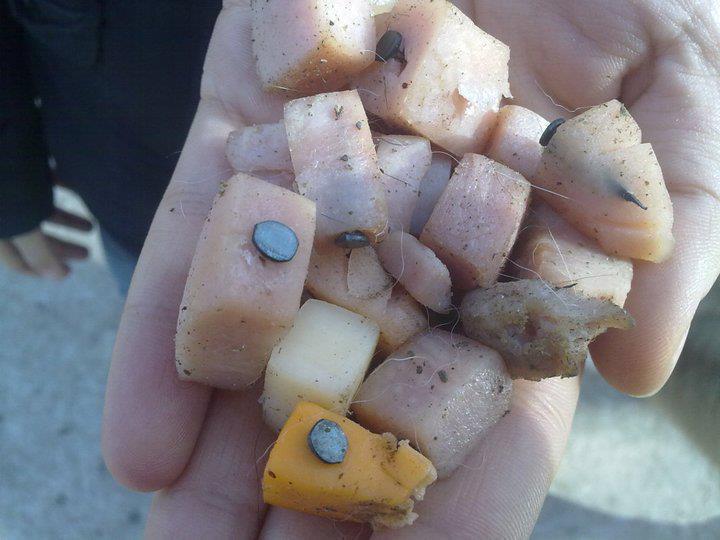
Bottom Line...no!  Bones are not good for your dog. Dogs may ingest splinters from bones that can lodge in their mouths or around their teeth or worse yet bone chips can get caught in the intestines and cause an obstruction, internal bleeding and impaction. 

One bone can cost several hundred dollars up to thousands of dollars for surgery if your dog is the unlucky one.  Even when surgery is done your pet may die.  So why take the chance?

The best 'bones' on the market are the Nylabonesฎ.  Just make sure that you get the appropriate size for the size of your dog.  These bones are relatively indestructible and are often flavored.  Your dog will get hours, days, and years from one of these chew bones.

Nylabonesฎ are the only bones we allow our dogs to have.

Food Pets Die for:
Shocking Facts About Pet Food

by Ann Martin
http://www.organic-pet-digest.com/homemade-dog-food-recipes.html

The Importance of Puppy Socialization
From the very start, a puppy learns important lessons through his experience of the world around him. Even in the first few weeks as he snuggles with his dam, wrestles with his littermates, and is handled by his breeder each day, the personality traits and social skills that he will have all his life are beginning to form.

As the weeks go by, exposure to a variety of experiences is crucial to his becoming a well-rounded adult. Studies have shown that a puppy's experiences in the first three months of life strongly influence what kind of companion he will grow to be and how he will react to the world. Will he shy away from children? Will he be afraid of people in hats? Will he be aggressive toward other dogs? Or will he be easygoing and adaptable in a variety of situations?
READ MORE...

"The man who rears a dog must complete what the breeder began..." Max v. Stephanitz; Father of the German Shepherd Dog

Dealing Dogs Documentary
An animal rights outfit, Last Chance for Animals, outraged that 42,000 dogs are sold to vet schools and research labs by vile kennel keepers, sets out on one of the most notorious: Martin Creek Kennel in Arkansas. It sent in investigator "Pete" with a hidden camera for six months. He worked for the owners and collected his sickening images
and commentated on the atrocities as he went.  Many of the dogs that ended up at this kennel had been stolen from their
backyards and sold.
Not just from Arkansas but in areas around St. Louis Mo and all throughout the south.


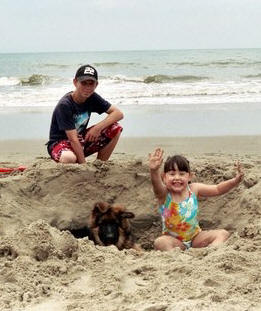
"Fun at the Beach"

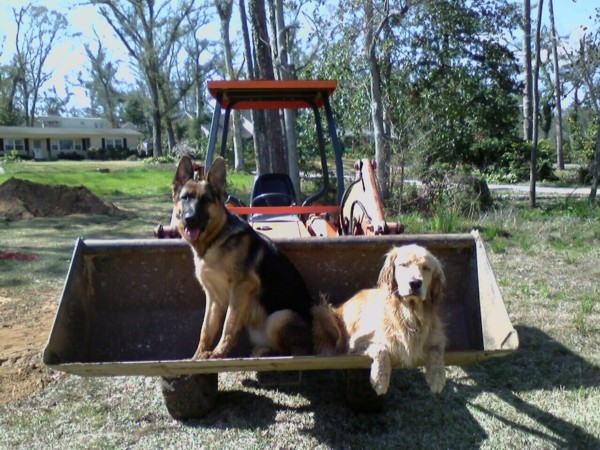
"Fun at Work"

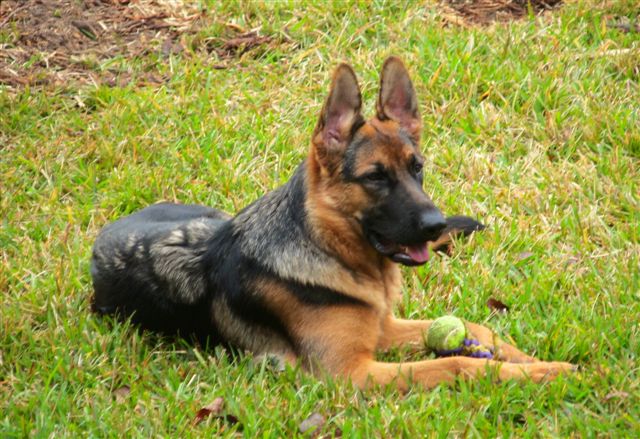
"Fun just hanging out"


How to Protect your Pet from Heat Stroke

How to encourage Your Dog to Drink if he is not Feeling Well.

Proper hydration is crucial in the healing process; however, the ill or painful dog may not be interested in drinking. It is important NOT to force water into your dog, as it could lead to aspiration pneumonia if your dog is not swallowing appropriately.  Listed below are several options to encourage your dog to intake water.

1. Give your dog an ice cube to lick.
2. Allow your dog to lick water from your hand or your finger.
3. Feed canned dog food, as it has a higher water content.
4. Add warm water or low-sodium broth to your dog's food.
5. With your veterinarian's permission, offer small amounts of Pedialyte.
6. Adding an ice cube to the water bowl can encourage some dogs to drink.

If your dog is weak and not interested in food or water, see your veterinarian.


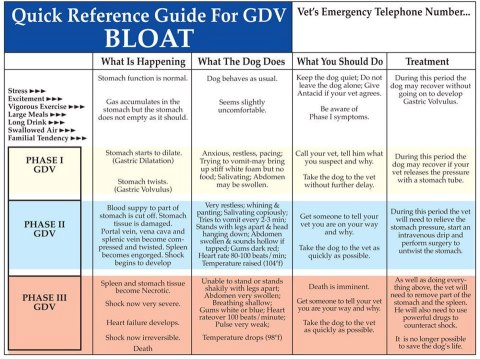
BLOAT


This is a real combination of symptoms that spells out EMERGENCY. These are the classic symptoms of a condition referred to as "bloat" - a dog that is pacing, restless and has unproductive attempts to vomit.

This is a common problem in large breed deep-chested dogs but can also occur in smaller dogs.

Basically what happens is this - the stomach twists causing the blood supply to the stomach to be compromised then leads to tissue death. As tissues are damaged, toxins are released and a sequence of events occurs that if left untreated, leads to death.

If you ever notice these symptoms in your dog, call your local veterinarian or emergency clinic as soon as possible.

This is a condition that is fairly common and often occurs in the evening or nighttime hours. It is also a very expensive condition to treat.  READ MORE...

 
            GOT FLEAS?
Place a white baking dish half full of water with a couple drops of Lemon Joy dishwashing liquid in the center of the room with a small lamp next to it.  Turn off all other lights and go to bed.  When you wake up in the morning all the fleas will be in the baking dish! For a bad infestation treat each room twice.
 

Dealing with Excessive Barking

The first step to stopping barking is to understand why it is happening. Dogs bark for all kinds of reasons, including anxiety, boredom and/or loneliness. Sometimes they bark just because it feels good.  Luckily, most dogs will respond to one or other intervention to curtail their barking. Whether you simply bring an outdoor dog inside or take the time to apply behavior-modification techniques, you can cause a dog to be less of a nuisance and to be more socially acceptable.


Removing Skunk Odor

No need for the tomato juice. Use a mixture of 10 parts hydrogen peroxide to 1 part baking soda. Add a dash of degreasing dishwashing soap and pour into a spray bottle. Spray liberally over dry coat and allow to air dry. Avoid eyes. Works on other objects, too!


FOR THOSE WHO LIKE BIRDING
 

Site designed and maintained by
Dlm Design Studio

Copyright ฉ 2001 [Haus Merkel]. All rights reserved.
Revised: 08/21/10.

Add Me! - Search Engine Optimization


 Spaying or neutering your german shepherd
 
The Decision to Breed or not to Breed

reprinted from http://www.nopuppymillscanada.ca

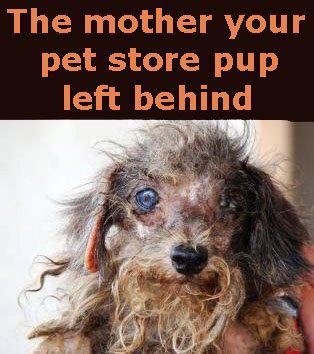
THE FACTS: It is extremely important to learn the facts and possible consequences in advance if you are contemplating breeding your dog. In today's overcrowded world, we - the wardens of our domestic pets - must make responsible decisions for them and for ourselves. Please review the following points carefully.

QUALITY: AKC, CKC, UKC, USA, SV registration is NOT an indication of quality. Most dogs, even purebred, should not be bred. Many dogs, though wonderful pets, have defects of structure, personality or health that should not be perpetuated. Breeding animals should be proven free of these defects BEFORE starting on a reproductive career. Breeding should only be done with the goal of IMPROVEMENT - an honest attempt to create puppies better than the sound, wonderful parents they come from. Ignorance is NO excuse! Once you have created a life, you can't take it back - even if it's blind, crippled or a canine psychopath!

COST: Dog breeding is NOT a money making proposition, if done correctly. Health care and shots, diagnosis of problemsand advance genetic testing to determine quality and breedability, extra food, proper facilities, stud fees, advertising, etc.are all costly and must be paid BEFORE you sell any pups. An unexpected Caesarean or emergency intensive care for a sick pup, or even a litter of sick pups as often happens with parvo, will make a break-even litter become a BIG liability.

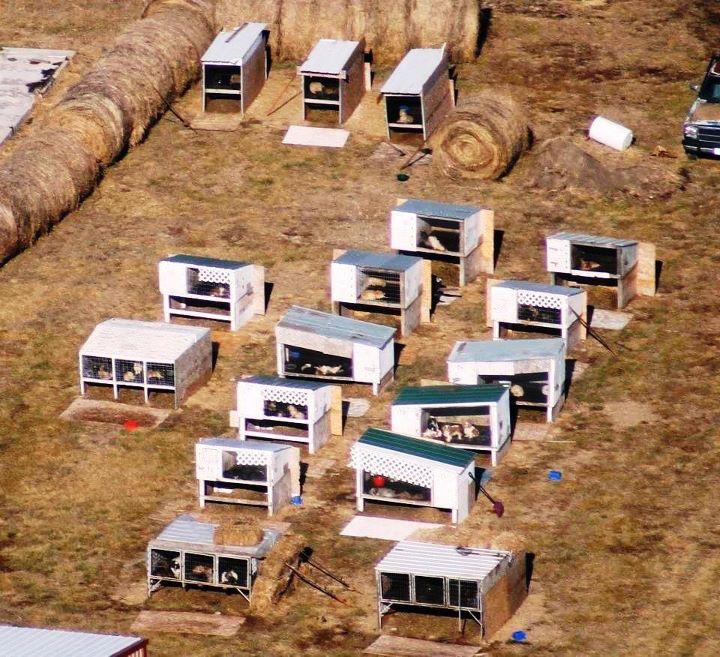
SALES: First-time breeders have no reputation and no referrals to help them find buyers. Previous promises of "I want adog just like yours" evaporate. Consider the time and expense of caring for pups that may not sell until 4 months, 8 months, or longer ... what WOULD you do? Send them to the pound? Dump them in the country? Sell them cheap to a dog broker who may resell them to research labs or other unsavory buyers? Veteran breeders with a good reputation often don't even think about breeding unless they have people waiting for the puppies, with cash deposits in advance for an average-sized litter.

JOY OF BIRTH: If you're doing it for the children's education, remember the whelping may be at 3 AM, or at the vet's on the surgery table. Even if the kids are present, they may get the chance to see the birth of a monster or a mummy, or watch the dog they love scream and bite you as you attempt to deliver a pup that is half out and too large. Some bitches are not natural mothers, and either ignore or savage their whelps. Bitches can have severe delivery problems, or even die in whelp. Pups can be born dead, or with gross deformities that require euthanasia. Of course there can be joy, but if you can't deal with the possibility of tragedy, don't breed.

TIME: Veteran breeders of quality dogs state they spend well over two hours a day, every day, for months, to raise an average litter. The bitch CANNOT be left alone while whelping, and only for short periods for the first few days after. Be prepared for days off work and sleepless nights. Even after delivery, mom needs care and feeding, pups need daily checking, weighing, socialization, and later grooming and training, and the whelping box needs lots and lots of cleaning.  More hours are spent with paperwork, pedigrees and interviewing buyers. If you have any abnormal conditions, such as sick puppies or a bitch who can't or won't care for her babies, count on double the time. If you can't provide the time, you will either have dead pups or poor ones that are bad tempered, antisocial, dirty and/or sickly - hardly a buyer's delight. 

HUMANE RESPONSIBILITIES: It's midnight ... do you know where your puppies are?  There are more than FIVE MILLION unwanted dogs put to death in pounds in this country EACH year, with millions more dying homeless and unwanted of starvation, disease, from automobiles, abuse, etc. A quarter or more of the victims of this unspeakably tragicsituation are purebred dogs "with papers." The breeder who creates a life is responsible for that life. Will you carefully screen potential buyers? Or will you just take the money and not worry if the puppy is chained in a junk yard all of its life or runs in the street to be killed? Will you turn down a sale to irresponsible owners? Or will you say "yes" and not think about that little puppy you held and loved now having a litter every time she comes in heat, which fills the pounds with MORE statistics - YOUR grandpups? Would you be prepared to take back a grown puppy if the owners could no longer care for it? Or can you live with the thought that the baby YOU caused to be brought into this world will be destroyed at the pound?

CONCLUSIONS: Because of these facts, dog breeding is best left to the PROFESSIONAL BREEDER!

What makes a breeder professional?

  • A professional breeder is one who has made a lifetime commitment to the well-being and IMPROVEMENT of one,possibly two, breeds.

  • A professional has studied and researched his breed and knows, intimately, its history and Standard, its strong points and drawbacks.

  • A professional has spent time, effort and MONEY researching and proving the qualities and health of her potential breeding stock. Those that do not prove out are NOT bred. She plans a litter only with the goal of puppies better than the parents, not for profit or vanity.

  • A professional considers his dogs' health and well-being far more important than their ability to reproduce.

  • A professional has both the time and mental fortitude to BE THERE for her breeding dogs and her puppies. She evaluates her litters and makes every effort to match puppy to buyer in temperament, attitude, and energy level.

  • A professional is, first and foremost, selling only to responsible, loving homes. While some exceptional pups may be saved for special show homes, the professional does not force entangling contracts or arrangements for "puppies back" on people who are only interested in a pet.

  • A professional keeps in periodic contact with the owners of puppies he's sold, not only to see the development of his breeding program, but also because he cares about them.

  • A professional does NOT have so many dogs that she has no time for individual attention, play and grooming, or has to skimp on food quality, space, preventive medicine and health care.

  • A professional assumes responsibility for the life he creates - carefully screening buyers, helping find new homes, making a comfortable life for his retirees and yes, being able to make the decision to euthanize when a puppy born with a mental or physical problem has no chance for a quality life.

  • A professional builds a good reputation slowly, based on dedication and consistent quality, not on volume, advertising, or from a casual or self-glorifying attitude.

  • A professional goes further and assumes some responsibility for the problems of her breed as a whole - she belongs to an organization for the breed, she continues to read about new developments, and she works to reduce the number of her breed that are carelessly bred, ill cared for, or discarded.

  • A professional can look at a bigger picture than dog show wins or puppy sales, and contributes in some way to the betterment of dogs as a whole.

Educated owners want to buy from such professionals. If you want to join the professional ranks, involve yourself in a club for your breed, and take advantage of the knowledge and experience you will find in your fellow members. Begin the months and years of research that will be necessary for you to know your breed thoroughly before you think about breeding a litter. If you feel this is MORE obligation than you care to take on, choose the RESPONSIBLE alternative - have your pet spayed or neutered!


Last updated - Saturday, August 08, 2009 12:01:35 AM -0400

This site designed and maintained by Dyan Merkel of
DLM DESIGN STUDIO
Copyright ฉ2005

RESOURCES - SITEMAP

Last updated - Saturday, August 08, 2009 12:01:35 AM -0400

This site designed an