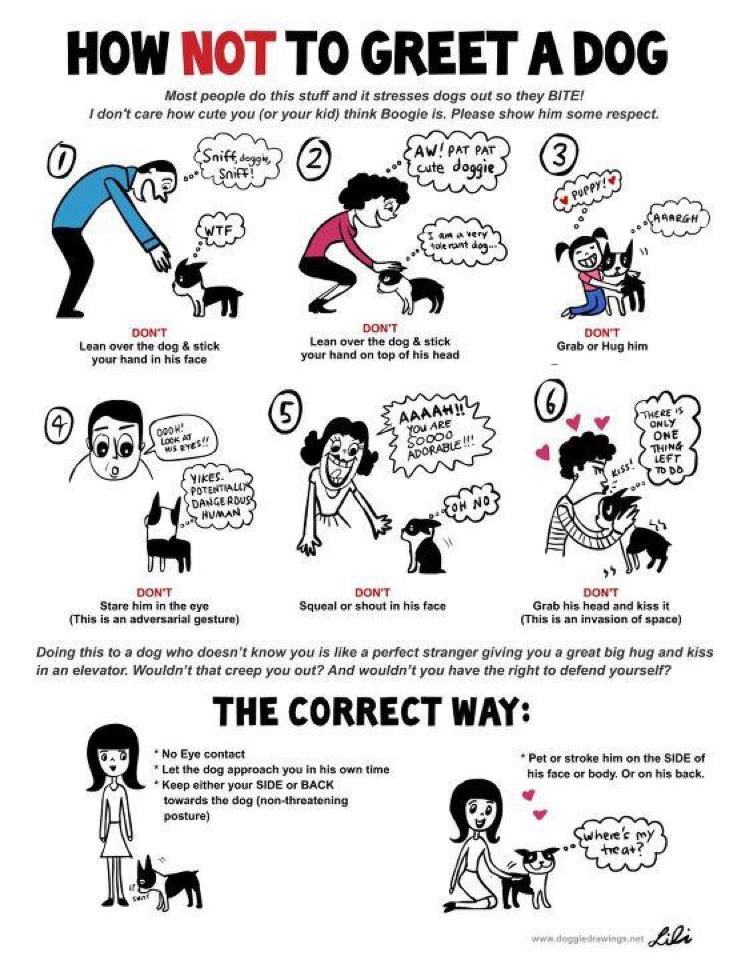

|
COURAGE - CHARACTER - PREDICTABILITY
“Germany’s
Finest Bloodlines;
MADE IN AMERICA”
Breeders of the finest quality Schutzhund
titled & Breed Surveyed German Shepherds in the United
States for over 43 years. Our breeding
program maintains
the integrity of the
German Shepherd's heritage to preserve the human-canine bond.
We respect our dogs and they are
our personal companions!
"BREEDING BETTER DOGS BY DESIGN"

Many people are saying on their websites that
they are a BREEDER OF MERIT but they
are not. Check with the AKC
for proof, if they lie about being a breeder of merit
then they will lie about their dogs too! Buyer Beware.

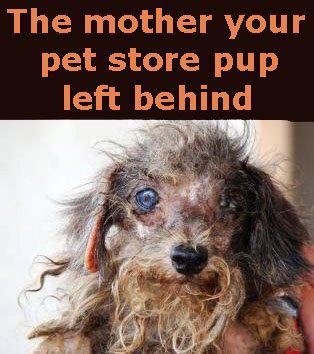
Do you recognize she is a Yorkie?
Please do not purchase your pet from a Pet shop, Backyard
breeder or Commercial Puppy Mill.
Contact:
HausMerkel@Yahoo.com
214-287-8080
Located North of Dallas, Texas
Last
updated -
Monday, May 14, 2012 04:21:04 PM -0400
Home
•
About Us
•
Compare us with other Breeders
•
Our References
German Shepherd Puppies for Sale
•
Older Puppies for Sale
•
Pricing
•
Our German Shepherd Males
•
Our German Shepherd Females •
Adult & Young
Males for Sale
•
Adult & Young
Females for Sale
•
Our German Shepherd Stud Dogs
•
Breeding Requirements for Stud
•
Puppy Mill Article •
German Shepherd Rescues •
Memorials
•
Articles
•
OFA •
Classifieds
•
Dog Food Analysis •
Worming &
Vaccination Schedule •
OUR OTHER PETS•
Excellent Link to pet/health videos
•
Any health care links located here
are NOT to replace a veterinarian visit; please take your dog to a vet
immediately at any sign of odd behavior or any symptoms of illness or
injury. Call your vet and describe your dog's symptoms with any of your
concerns about the dog's well-being. Your veterinarian may discover
changes in your dog's health that you have overlooked. It is always
better to err on the side of caution
HEALTH ARTICLES:
MORE ARTICLES:
Other Links
•
Links
•
Contact
•
Add your Link
Members of
GSDCA
WDA
Schutzhund USA
(Dorothy Conner Merkel
Obituary)
I am in Illinois this week to bury our mother. Please
don't hesitate to call, I just will not be available to show
dogs until after the 15th.

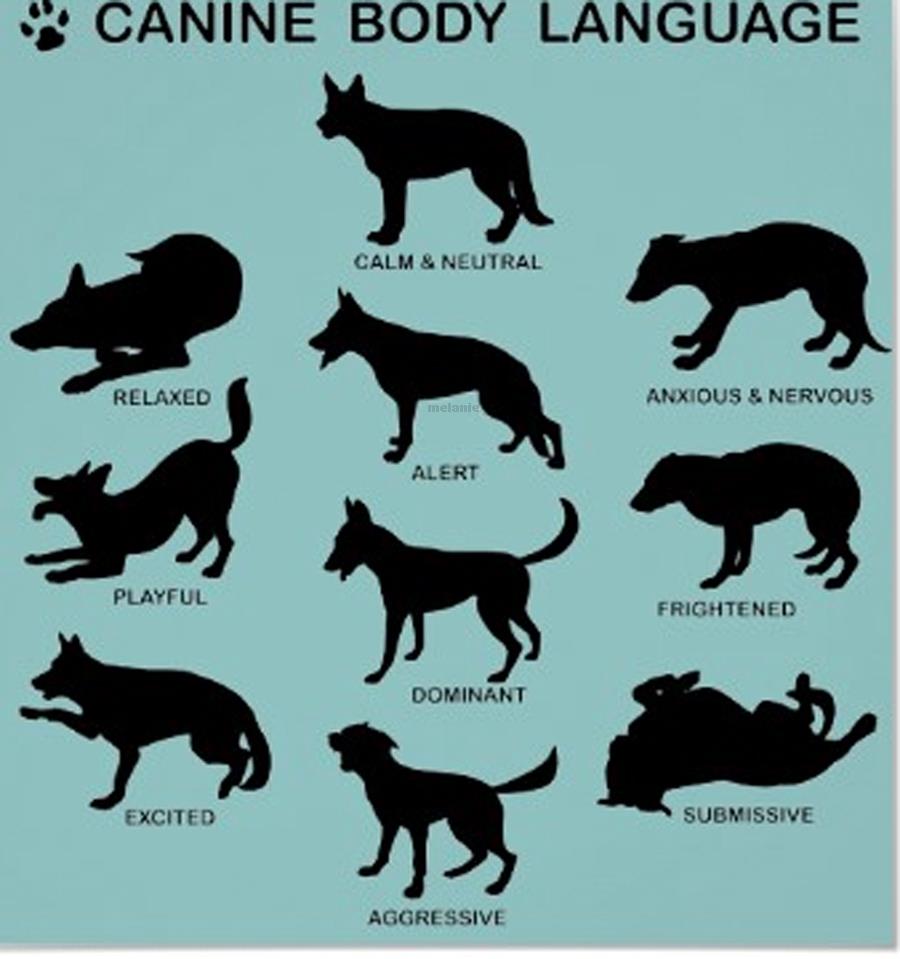
Canine body language
YOU TUBE
LINK:
The Everyday Drink that May Contain Blood, Pus and Drugs!
ALERT!

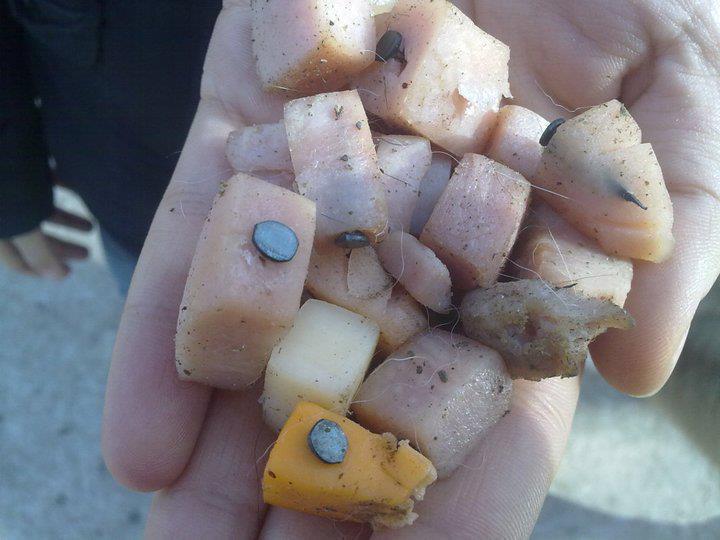
DOG PARK ALERT
We have received two notices.
(1) Nails wrapped in cheese at dog parks in Chicago and
Massachusetts (see pic). (2) from some friends that in
Augusta Maine dog park, antifreeze is being found in doggie
water bowls. Please beware and be careful and PLEASE SHARE
and spread the word

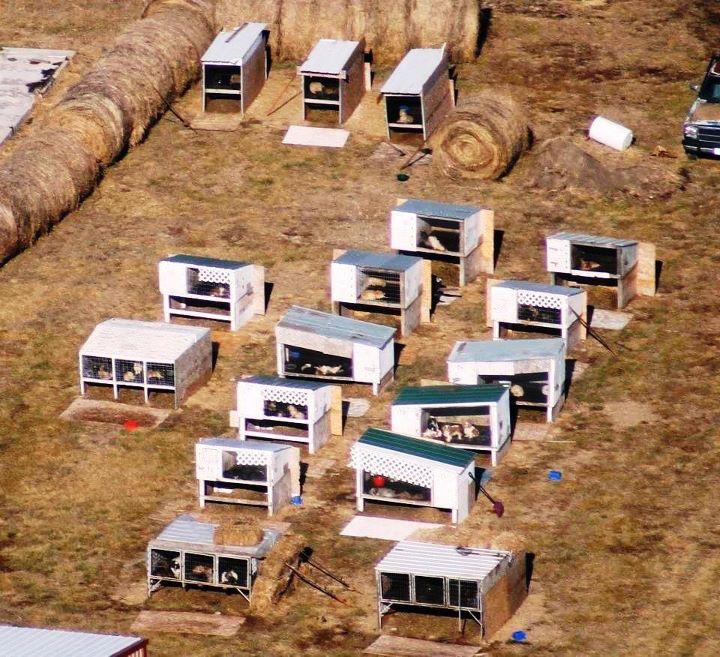
Ever wonder where puppy mill dogs come from? Here's an
example. Many get cooked alive in the sun and freeze to
death in the winter. If you purchase your dog from a pet
store, I can guarantee your "AKC" certified dog came from a
place like this. This one is even better than the ones
I saw in Iowa and Missouri!
Check your pantry shelves – a nationwide
recall of
products
from Diamond Pet Foods
may affect you and your pets.
The Centers for Disease Control and Prevention says it's
looking into a salmonella outbreak – in humans – that may
trace back to Diamond Pet Foods' dog food. The affected food
was manufactured in South Carolina, but the illness has
cropped up in 14 people across nine states overall. CDC
investigators believe it's possible that those who have
fallen ill with the rare strain of salmonella got sick via
contact with dogs who had eaten the tainted food, or the
food itself.
| |
 |
|
www.youtube.com
NEW
HOMES
ARE
NEEDED
FOR OUR
RETIRED
MILITARY
WORKING
DOGS!
This
Report
by FOX
NEWS'
Ainsley
Earhard
|
|

8 YEAR OLD SAMSON got an extension. His sister, Delilah, was adopted
and HE IS ALL ALONE. Samson's OWNER DIED and he will die if not
rescued by FRIDAY. He has severe skin issues and does need some
medical treatment!! $170 PLEDGED!! Please share for FOSTER AND
PLEDGES to help SAMSON!!
Tammy Osborn
Adoption Partner Coordinator
OC Animal Care
(714) 796-6425
(714) 935-6373 (fax) |
|
PLEASE RESCUE 1/12/12
FLORIDA

http://www.facebook.com/#!/pages/Heidis-Legacy-Rescue-Network/119830581418740 |
|
"It
is the human's
role in the
dog-owner
relationship to
teach the dog
how to behave
appropriately in
a world run by
humans. Far too
often, owners
seem
to assume that
dogs come
already
programmed with
good manners.
Then they become
frustrated &
angry when Rowdy
engages in a
behavior that,
to him, seems
perfectly
acceptable. If
we are ever to
make headway in
reducing the
seemingly
endless number
of dogs who end
up looking for
new homes in
shelter kennels,
it is critically
important that
we humans begin
to gain a more
realistic
perspective on
what it means to
be a dog." - Pat
Miller
|
The Importance of Puppy Socialization
From the very start, a puppy learns important lessons through his experience
of
the world around him. Even in the first few weeks as he snuggles with his
dam, wrestles with his littermates, and is handled by his breeder each day,
the personality traits and social skills that he will have all his life are
beginning to form.
As the weeks go by, exposure to a variety of experiences is crucial to his
becoming a well-rounded adult. Studies have shown that a puppy's experiences
in the first three months of life strongly influence what kind of companion
he will grow to be and how he will react to the world. Will he shy away from
children? Will he be afraid of people in hats? Will he be aggressive toward
other dogs? Or will he be easygoing and adaptable in a variety of
situations?
READ
MORE...
"The man who rears a
dog must complete what the breeder began..." Max v. Stephanitz; Father of
the German Shepherd Dog
Dealing Dogs
Documentary
An animal rights outfit, Last Chance for
Animals, outraged that 42,000 dogs are sold to vet schools
and research labs by vile kennel keepers, sets out on one of
the most notorious: Martin Creek Kennel in Arkansas. It sent
in investigator "Pete" with a hidden camera for six months.
He worked for the owners and collected his sickening images
and commentated on the atrocities as he went. Many of
the dogs that ended up at this kennel had been stolen from
their own
backyards and sold. Not just
from Arkansas but in areas around St. Louis Mo and all
throughout the south.

Click link to read article
CHINA'S CAT DEATH CAMPS
On a lighter note:
|
Even though your dog can't read a word, he
could be destined to be the best teacher ever. You still have time
to check out
www.librarydogs.com and summer reading programs. If your dog is
gentle and good with children, he or she could qualify as a Reading
Therapy Dog for children who benefit from a nonjudgmental, patient
listener. Sure there could be some process to get certified, but any
lazy, canine with a good listening ear could make the cut. What a
brilliant accomplishment!
Helen Fazio and
her dog Raja are world travelers.
Click here to visit their blog, and
click here to follow them on Twitter. |
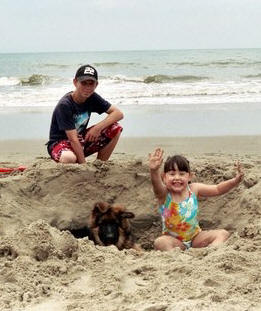
"Fun at the Beach"
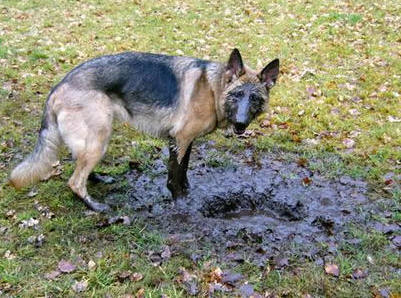
 "Fun at
Work"

This is a real
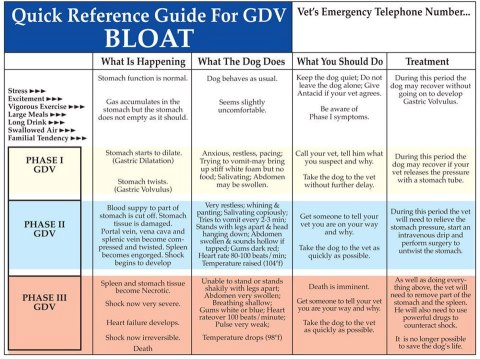
combination of symptoms that spells out EMERGENCY. These are the classic
symptoms of a condition referred to as "bloat" - a dog that is pacing,
restless and has unproductive attempts to vomit.
This is a common problem in large breed
deep-chested dogs but can also occur in smaller dogs.
Basically what happens is this - the
stomach twists causing the blood supply to the stomach to be compromised
then leads to tissue death. As tissues are damaged, toxins are released
and a sequence of events occurs that if left untreated, leads to death.
If you ever notice these symptoms in
your dog, call your local veterinarian or emergency clinic as soon as
possible.
This is a condition that is fairly
common and often occurs in the evening or nighttime hours. It is also a
very expensive condition to treat.
READ MORE...
GOT FLEAS?
Place a white baking dish half full of water with a
couple drops of Lemon Joy dishwashing liquid in the center of the room
with a small lamp next to it. Turn off all other lights and go to
bed. When you wake up in the morning all the fleas will be in the
baking dish! For a bad infestation treat each room twice.
Dealing with Excessive Barking
The first step to stopping barking is to understand why it is
happening. Dogs bark for all kinds of reasons, including
anxiety, boredom and/or loneliness. Sometimes they bark just
because it feels good. Luckily, most dogs will respond to
one or other intervention to curtail their barking. Whether you
simply bring an outdoor dog inside or take the time to apply
behavior-modification techniques, you can cause a dog to be less
of a nuisance and to be more socially acceptable. |
Removing Skunk Odor
|
|
No need for the tomato juice. Use a mixture of 10 parts hydrogen
peroxide to 1 part baking soda. Add a dash of degreasing
dishwashing soap and pour into a spray bottle. Spray liberally
over dry coat and allow to air dry. Avoid eyes. Works on other
objects, too! |

Click link below to enjoy the Birding Site
FOR THOSE
WHO LIKE BIRDING
Copyright © 2001 [Haus Merkel]. All rights reserved.
Revised: 05/14/12.
Add Me! -
Search Engine Optimization
|
|
|
|
TRAINING
YOUR GERMAN SHEPHERD PUPPY
-
Start your training the
moment your puppy comes home.
-
Always give your dog a
treat when you call him to you.
-
Train before meals or
when your dog is relaxed
-
Your German Shepherd
puppy was bred for extreme trainability so limit your training to under
5 minutes (short and sweet).
-
A daily routine builds
good learning habits.
-
Always end on a high
note, when the puppy has done what you asked right.
-
Do not overtrain.
Your puppy will lose interest and not retain what it did learn.
-
Praise, Praise, Praise.
-
Training up until a year
of age is all motivational. We start with food. Vienna hot
dogs cut in little pieces. There are lots of training treats
available at Pet Markets. Just make sure that whatever you do get
it must be in tiny pieces for the training or your dog will be so busy
eating the biscuit that you won't have time for the training. You
want your puppy to quickly eat the treat and immediately after look at
you for more.
-
Hold your treat up by
your face so that the puppy will learn to look you in the eye. If
you don't have your puppies attention your puppy will not learn.
-
Always use a quiet area
with few distraction or interruptions.
-
Only one person at a time
should train. Children should always be supervised by a
knowledgeable adult.
-
Consistancy counts.
I will spend 2 weeks alone on sit. Twice a day for a few minutes.
After the puppy is good with the sit, I will turn my back, call the pup
and generally the puppy will come around to my front and sit directly
infront of me.
-
Stay and Down are
negative commands and I generally don't work on them until the dog is
older. However you can teach the down easily with food so it
is not associated with negative training.
-
Heeling can be taught by
holding a treat/toy infront of the dogs face as he walks on the left
side of you. The dog will associate you with food and keep his
eyes on you instead of everything else that is out there.
-
NEVER hit or shout at
your dog for not obeying a command.
-
Harsh corrections can
result in fear and aggression - both are counter productive to learning.
-
If your dog misbehaves,
he should be reprimanded consistenly and immediately. A firm,
verbal rebuke is enough. Don't rebuke your dog for doing something
you didn't see at the moment.
TEACHING SIT:
Hold the treat so the dog
looks up to get it. As the dog tips its head up it will they will
automatically sit. Consistancy of working this way with the sit will
produce the response on command.
TEACHING DOWN:
Command your dog to 'sit',
then sit down in front of him. Hold a small piece of food in front
of his nose. As you command 'down', move the food down to the ground
so his nose follows it. If he need help, put your hand on his
shoulders and guide them down. When he is lying down, praise him and
give him the treat. You can also push the treat between your puppy's
front legs, as he tried to follow it his back end will slide into a down
position. Praise him and give him the reward.
TEACHING (HERE) COME:
From the very
first day you bring your puppy into the house he should be given a treat
every time you call him to you. After your puppy learns the sit you
can combine the 'come' with the 'sit' and then give the treat/reward.
And always lots of praise and excitement when your dog comes to you.
NEVER, NEVER call your dog to you for punishment. NEVER use his name
negatively. If you instill in your dogs from day one that it
is exciting and rewarding to come to you he will sail through his teenage
stage eagerly wanting to please you. This could also save your
dogs life to know that he is 100% on the recall.
I recommend
once you have these commands working smoothly with your dog that you join
a local obedience club and work on putting all of this together in a
routine so you can be a team. This is usually after the teenage stay
and about 13 -14 months of age.
CRATE
TRAINING:
We crate train
all puppies from the day that they are weaned. My advice to you when
you start is to put the puppy in the crate and then take the whole family
to the movies so you won't have to listen to him throw a temper tantrum.
They get use to it quickly. Do not take the puppy out if he is
throwing a fit. Once your puppy gets use to it you will be able to
tell when he has to go to the bathroom...his cry will be much different.
Housebreaking
Rule #1:
If you don't catch your puppy making an "accident," don't punish
him for it.
Housebreaking Rule #2:
When he does it right outside, praise him!
Housebreaking
your new puppy doesn't have to be hard or messy, nor should it take very
long if done right. Getting your dog to do its business outside is a matter
of training, and the more attention you can give to your puppy during
this crucial training, the shorter this awkward stage will last.
Methods of housebreaking
Starting Inside: There are several ways to housebreak
a puppy. With the first, you can put down papers or pretreated pads, encouraging
them to use these areas for going to the bathroom. The pads are scented
with a chemical that attracts the puppy to use them. Whenever you see
them starting into their "pre-potty pattern," such as walking
around and sniffing the floor, you gently pick them up without talking
and carry them over to the papers/pad and then praise them when they go
to the bathroom.
When all goes well and they are using the papers consistently, the papers
are either moved closer to the door and/or another set is placed outside.
The transition is made from concentrating the toilet habits to one spot
inside the home to one spot outside the home. Finally, the papers inside
are eliminated. The only problem with this method is that for a period
of time it encourages the animal to eliminate inside the home. In our
experience, housebreaking may take longer when this method is used.
Crate Training: The second popular method of housebreaking
involves the use of a crate or cage. Make sure the crate isn't too large
- just big enough to fit their sleeping blanket or mat. Dogs do not like
to soil their beds because they would be forced to lay in the mess. It
works, and while in these confines, most pups will control their bladder
and bowels for a longer time than we would expect. Young puppies, at 8
or 9 weeks of age can often last for 7 or 8 hours, however, we would never
recommend leaving them unattended in a crate for that long in most circumstances.
During housebreaking, whenever the puppy is inside the home but cannot
be watched, he is placed in the crate. This might be while you are cooking,
reading to the children, or even away from the home. The last thing you
do before you put the puppy in the crate is take him outside to his favorite
spot. The first thing you do when you take the animal out of the crate
is another trip outside. No food or water goes in the crate, just a blanket
and maybe a chew toy to occupy his time. Overnight is definitely crate
time. As your faith in the puppy grows, leave him out for longer and longer
periods of time.
Constant Supervision: The last method involves no papers,
pads, or crates. Rather, you choose to spend all the time necessary with
the puppy. This works very well for people who live and work in their
homes, retired persons, or in situations where the owners are always with
the animal. Whenever they see the puppy doing his "pre-potty pattern"
they hustle him outside. It is important that the dog is watched at all
times and that no mistakes are allowed to occur. When he is taken outside,
use a leash or lead to keep him less distracted and watch the puppy closely
- as soon as all goes as planned, he should be praised enthusiastically.
Do not play until after the pup goes so he learns to go quickly on command.
Use Simple and Consistent Verbal cues
Specific
verbal communications will also help the two of you understand what is
desired. It is an excellent idea to always use a word when it is time
to head to the bathroom. We like "Outside?" Remember that whenever
you use a verbal command or signal, it is important that everybody in
the family always uses the same word in the same way.
Once
outside, we try to encourage the pup to get on with the act in question.
We use the phrase "Do your numbers." Others use 'Do It,' 'Potty,'
or 'Hurry Up.' As soon as your pup eliminates, it is very important to
praise them with a "Good Dog" and then come back inside immediately.
Again, make this trip that started outside with a specific word "Outside"
be for a purpose. If we are taking the pup out to play with a ball or
go for a walk we will not use this word even if we know they will eliminate
while we are outside.
If
Accidents Happen
One
of the key issues in housebreaking is to follow Rule Number One: If you
do not catch your puppy doing it, then do not punish him for it! We do
not care what someone else may tell you or what you read, if you find
a mess that was left when you were not there, clean it up and forget it.
Discipline
will not help because unless you catch the puppy in the act, he will have
no idea what the scolding is for. At this point in his life a puppy's
memory is very, very poor. Your puppy has urinated and defecated hundreds
of times before he met you. Nobody made a fuss before and the pup will
not relate the punishment, regardless of its form, together with something
he has done without incident numerous times before. Especially if he did
it more than 30 seconds ago! Puppies are just like our children. Unless
something was really fun (and a repetitious act like going to the bathroom
is not), they are not thinking about what they did in the past. They are
thinking about what they can do in the future.
The
same should be said as to your first reaction when you actually catch
them in the act of urinating or defecating. Do not get mad. Quickly but
calmly pick them up and without raising your voice sternly say "No."
Carry them outside or to their papers. They are going to be excited, but
stay there with them a while and if they finish the job, reward them with
simple praise like "Good Dog."
Remember,
though the housebreaking process may get frustrating at times - especially
the times cleaning up the occasional accident - be patient and stay calm.
If you want housebreaking to go quickly, regardless of the method you
use, follow these simple tips and try to spend as much time as possible
with your puppy. |
|
|
Last updated -
Thursday, September 16, 2010 09:31:11 PM -0400
|
Last updated -
Thursday, September 16, 2010 09:31:11 PM -0400
|